
Why Zines Matter | Hayley Wells
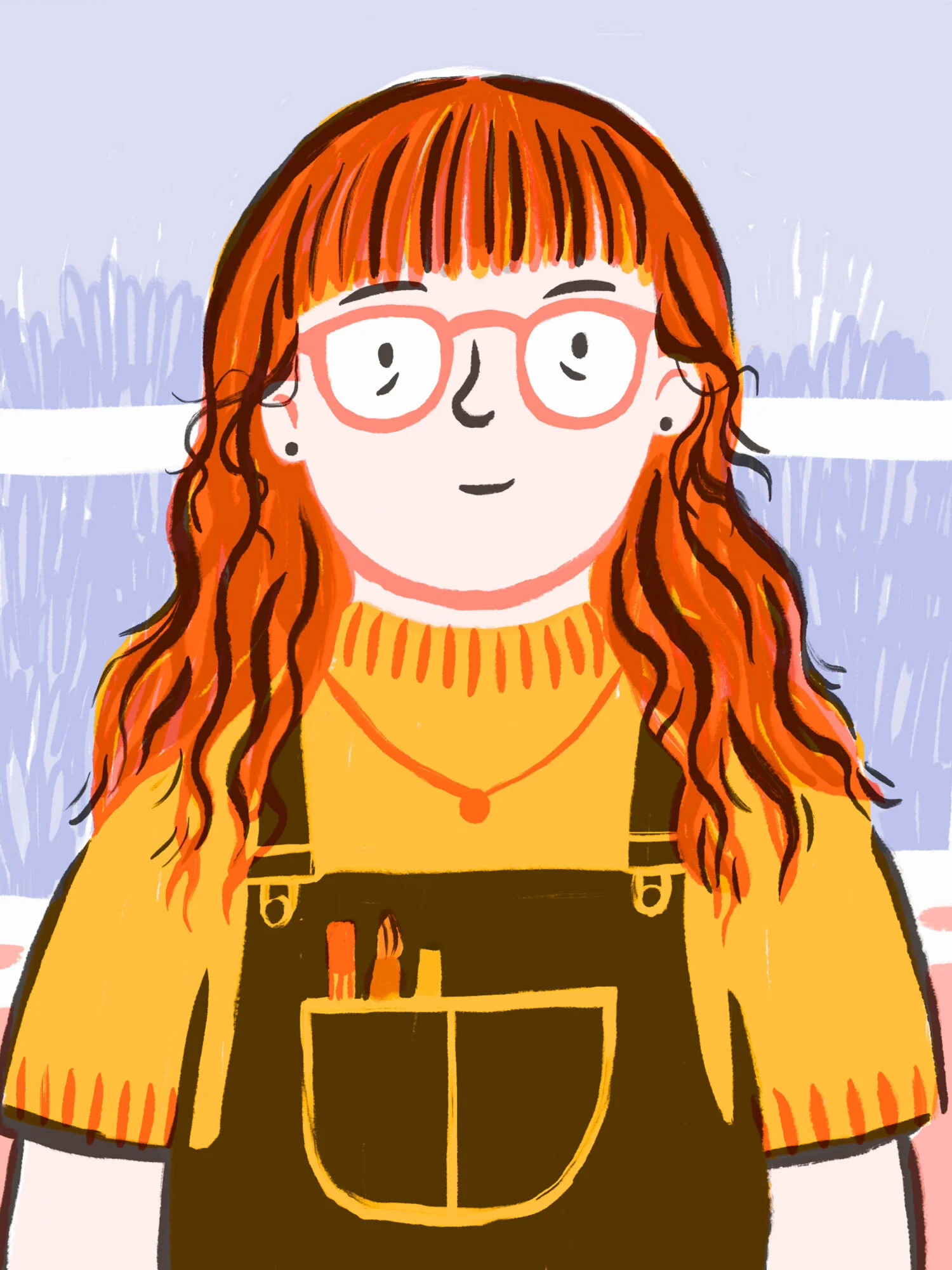

Following from the success of last year’s inaugural event, the Hive Zine Fair will be taking place at Patch, Chelmsford, on 25th April 2026. With stalls of artists and writers selling their zines, workshops from local creatives, and inspiring talks throughout the day, the event is set to be full of exciting opportunities for people of all ages to engage with art in a friendly, accessible way.
This event is organised by Elaine Tribley of Hive Artists Studios and is supported by Chelmsford For You.
But, you might be thinking, “what even is a zine?”. Well, let me explain.
Zines are often self-published booklets, usually made cheaply on A4 paper, and distributed in small print runs either online or at in-person events. Zines have a long history connected to political movements and “fan” culture, often being used as a way to share ideas and information, or to connect with other like-minded people before the age of the Internet. Copies could be mail-ordered, then swapped within communities, or sold at face value during punk shows. Zines were a link to the underground.
So, why, with social media and all the wonders of the Internet so easily at our fingertips, should anyone care about zines in 2026? Why bother to connect over scraps of paper when you can DM someone in seconds? Why read someone’s handwritten knowledge on a subject, when you could simply Google it? Why painstakingly cut and stick pieces of found material, when ChatGPT could invent a perfect, polished version in a fraction of the time?
For starters, zine-making often involves real, human connection, and a genuine sense of
community. I run a semi-regular Zine Club at Artists at the Meadows in Chelmsford city centre where a small group of people gather to work on our projects together. Zine Club offers a space to try something new without judgment, where people can be inspired by others around them. Often, the process of making brings out a natural curiosity in people and conversations start organically. Making and sharing art can feel vulnerable, but it is within this vulnerability that human connections are forged, as we recognise the humanity in each others’ creations.
On that note, one of the things I love most about zines is that there is no right or wrong way to make them, and no need for perfection. Zines are often scrappy artefacts that feel authentically human precisely because they are imperfect. Think printing mishaps, clumsy collage, typos, scratchy hand-writing – all of these things act as reminders that a real human made these objects. And in an age of AI-slop and hyper-real beauty filters, it’s important to hang on to messy, flawed art because humans themselves are messy and flawed – and that’s ok.

Making zines is a great way to process your own thoughts and feelings on a subject. By giving yourself time to slow down and make something with your hands, you create space to think. Often, I start without a specific idea in mind, and let the materials in front of me guide the way – I cut out appealing images from magazines until I start to see connections between them. Others use zine-making as a reason to write essays or articles (even this blog post will be printed in a zine soon!). Both of these approaches afford people the time to think deeply and to develop their own personal opinions away from the urgency and overwhelm of doom scrolling.
When misinformation is rife on the Internet, it’s essential that people remember to think for
themselves and keep a healthy critical eye on the media they consume.
Similarly, zines allow people to share their unique personal experiences without the gatekeeping or censorship of traditional publishing and other outlets. In this way, perhaps zines are a little like social media, which has helped people find information about a range of subjects that were previously deemed unmarketable. No subject is too niche or too weird for zines – in fact, many zine-makers (myself included) would argue the weirder the better.
Lastly, there is a DIY, not-for-profit culture around zines that means most people who make them are doing it for the love of it, and understand that others are too. Many zine-makers are willing to trade their zines for other zines instead of cash, and are generous in sharing knowledge or skills. For instance, want to know where to get the cheapest A4 printing in Chelmsford? Ask a zine-maker. (Hint: it’s ARU’s print shop). This kind of generosity feels radical under capitalism, when the cost of living is so high and communities feel let down by their governments. Even if, in some small way, we can model a different kind of system that values creativity and kindness over profit and cruelty, then I think it’s worth doing.
So, if you’re interested to learn more about this unique art form, you’re in luck, as there are
some exciting events coming up in Chelmsford over the next few months.
● Hive Zine Fair - 25th April, Patch, Chelmsford
● Concrete Canvas Street Party drop-in zine workshops - 16th May, Meadows shopping
centre, Chelmsford
● Zine Club at Artists at the Meadows - more dates announced soon
Follow @hiveartistsstudios, @artistsatthemeadows and @hwillustrator on Instagram for more information.

∘₊✧──────────────────────────────────────✧₊∘
Hayley Wells is an Essex-based illustrator with an MA in Children’s Book Illustration from
Cambridge School of Art. Their work has been shortlisted for the World Illustration Awards,
featured on television, and published worldwide. When they’re not illustrating, Hayley can be found growing vegetables at their allotment or falling over on roller skates. Find out more about their work here: https://www.hayleywellsillustration.co.uk/


Comments